


Jerusalem court legitimized illegal archaeological activity of Israel
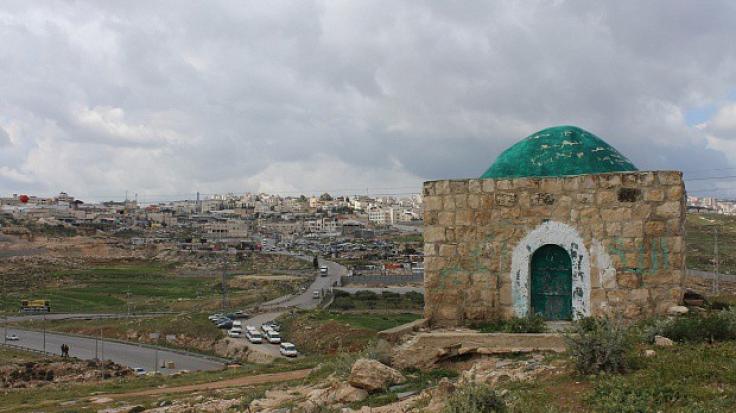
Israeli archaeological works in the West Bank and the artifacts found there can be "legally" hide, despite the Oslo Agreement, which obliged to carry out archaeological researches under the jurisdiction of Palestine.
Now, a ruling by Israel’s Jerusalem District Court at the end of November further disenfranchises Palestinians, they say. The ruling authorises Israeli archaeologists to dig in the West Bank anonymously and to lend artefacts found on site to Israeli institutions without disclosing these loans.
In archaeology publications, Israel has described its West Bank digs as “transparent”. But the Jerusalem District Court rejected most of a petition by human rights and archaeology organisations which argued that Israel is obliged to disclose the full range of its activities in the contested area.
After hearing evidence from lawyers representing Israel’s foreign ministry, the court decided that publicising the names of institutions receiving artefacts on loan and locations of storage facilities could “hurt foreign relations” in future negotiations with Palestinians. Representatives of the human rights and archaeology organisations that brought the petition were not permitted to attend the hearing.
The ruling also found that revealing the identities of archaeologists working in the West Bank could hurt their opportunities to publish, receive research grants and work with research institutions abroad because of international boycotts.
Trying to avoid boycotts does not justify flouting international heritage practices or secrecy that could lead to covert excavations, said the Israeli archaeologist Yonathan Mizrachi of Emek Shaveh, one of the non-governmental organisations that brought the case to court. Accepted practices include publishing all activities and making sure that excavations benefit the local population—in this case, Palestinians, Mizrachi added.
Source: theartnewspaper.com